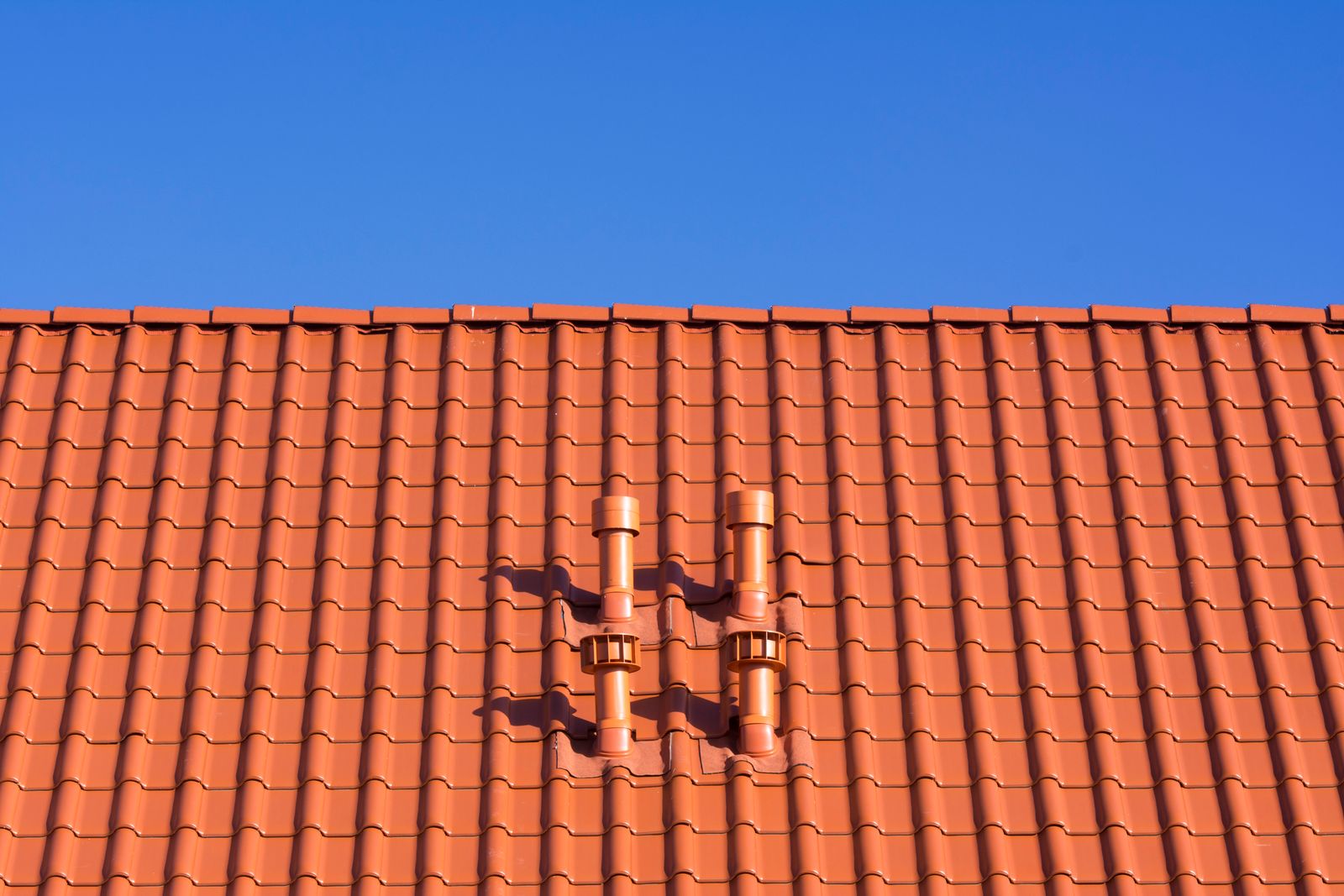
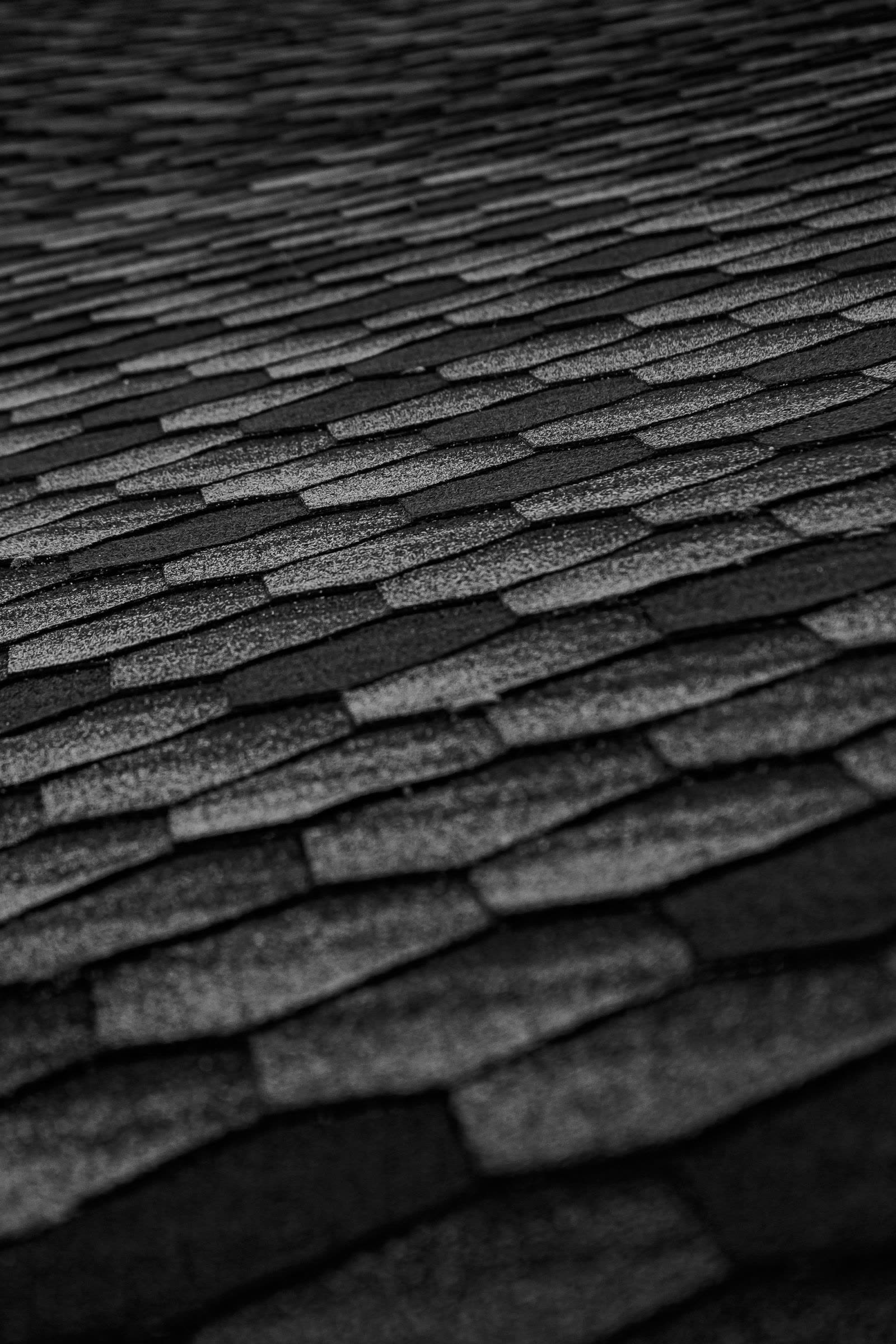
Architectural asphalt shingles

Architectural asphalt shingles

Lifespan 25–30 yearsRelative cost $$$$

Layered, dimensional shingles in a wide range of colors. What most homes in North Georgia have.

Best for: Most homes, most budgets, and nearly every insurance replacement.

Pros

  • Lowest cost of the four
  • Fast to install, usually one day
  • Easy to repair and match later
  • Impact-rated versions can lower insurance premiums

Cons

  • Shortest lifespan
  • Can lose granules in heavy hail
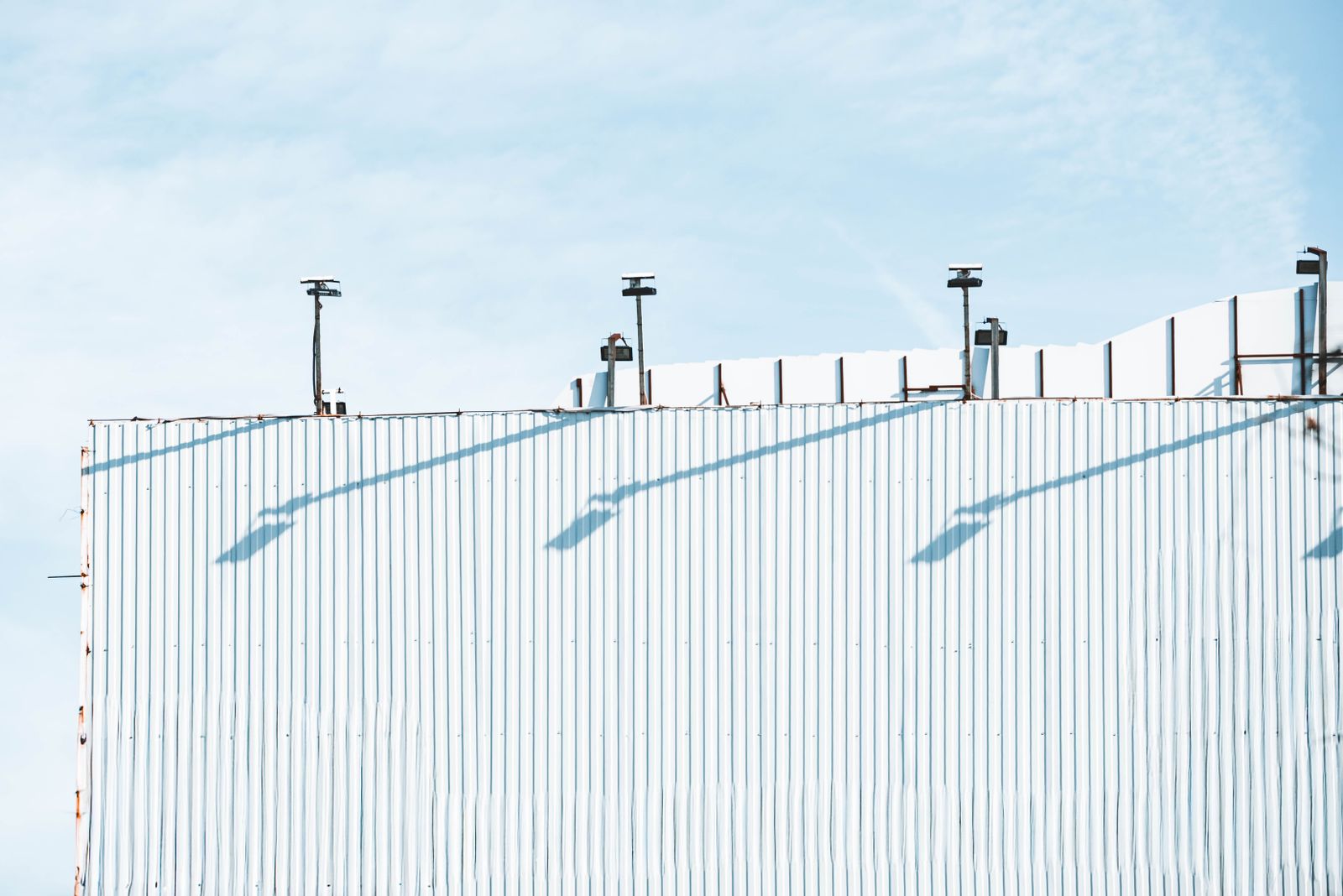
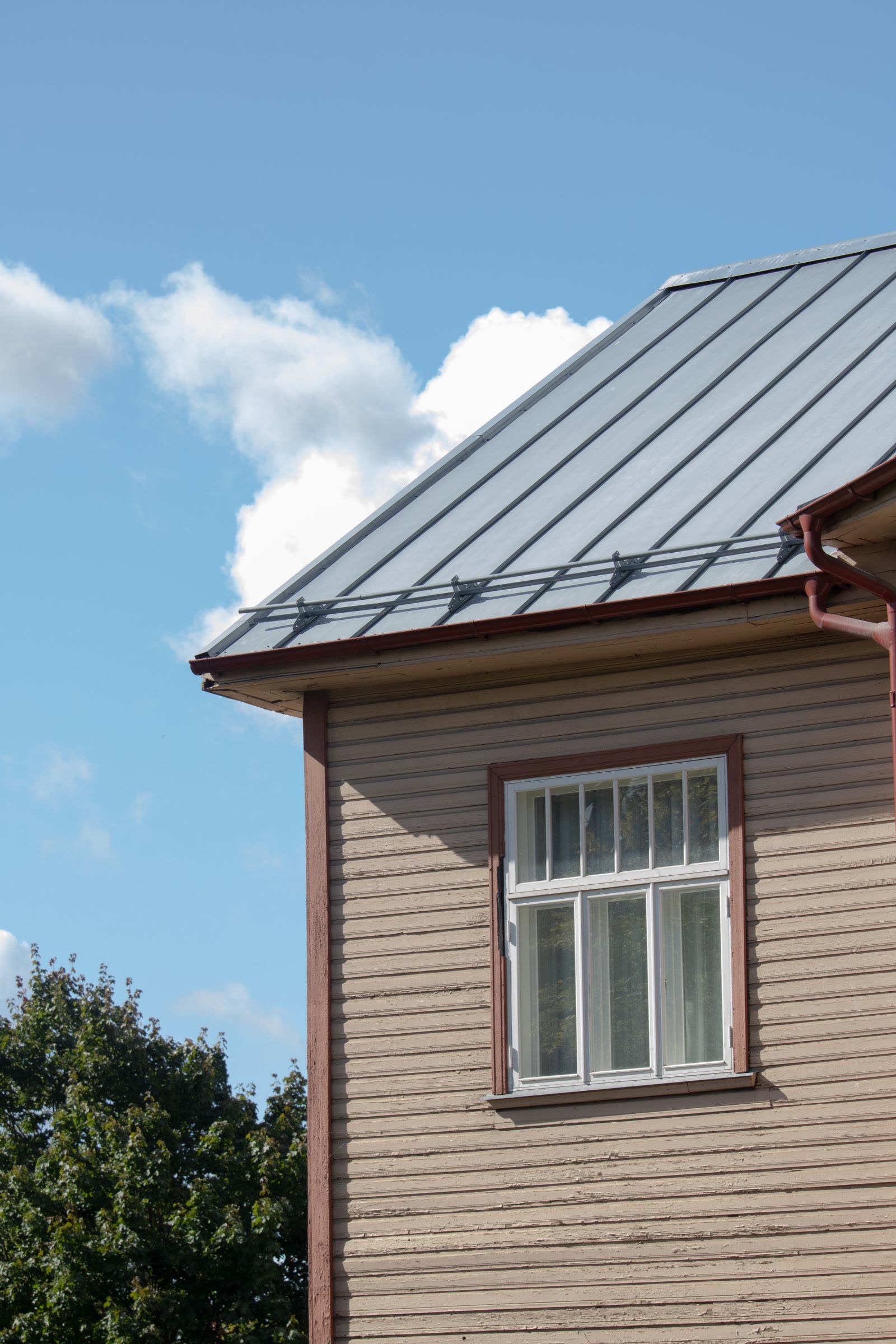
Standing seam metal

Standing seam metal

Lifespan 40–60 yearsRelative cost $$$$

Clean vertical panels with raised seams. Modern farmhouse to contemporary.

Best for: Homeowners planning to stay long-term, lake homes, and anyone tired of replacing shingles.

Pros

  • Two to three times the life of shingles
  • Sheds snow, rain and debris
  • Reflects heat, which lowers cooling costs
  • Stands up well to hail and wind

Cons

  • Higher upfront cost
  • Louder in rain without proper underlayment
  • Harder to match for repairs
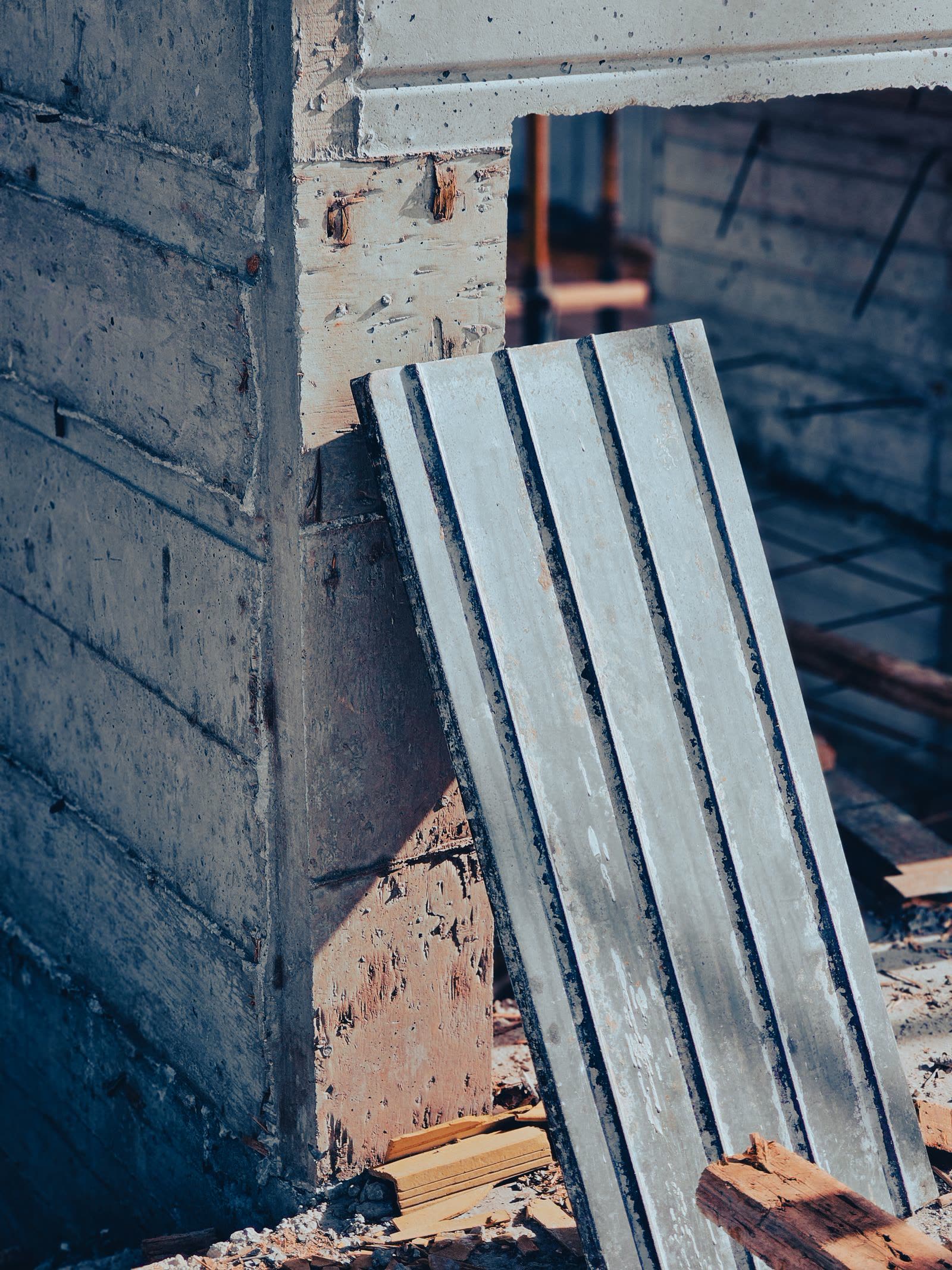
Concrete or clay tile

Concrete or clay tile

Lifespan 50+ yearsRelative cost $$$$

Distinctive barrel or flat profiles. Mediterranean, Spanish and some traditional styles.

Best for: Homes designed for tile, where the structure already supports the weight.

Pros

  • Very long life
  • Fire resistant
  • Holds color for decades

Cons

  • Heavy; the framing has to be rated for it
  • Individual tiles crack under foot traffic or large hail
  • Highest install cost
Natural slate

Natural slate

Lifespan 75–100+ yearsRelative cost $$$$

Natural stone, each piece slightly different. The classic high-end roof.

Best for: Historic and high-end homes, and owners who want a roof that outlasts the mortgage.

Pros

  • Longest-lasting roof you can buy
  • Natural material, unmatched appearance
  • Fire and rot proof

Cons

  • Very heavy and very expensive
  • Few installers do it well
  • Brittle under foot traffic
TPO membrane (flat & low-slope roofs)

TPO membrane (flat & low-slope roofs)

Lifespan 20–30 yearsRelative cost $$$$

A smooth white or gray membrane. Not meant to be seen from the street; meant to stay watertight where shingles can't.

Best for: Commercial buildings, and the flat or low-slope sections of homes: porches, additions and garages.

Pros

  • Heat-welded seams that stay sealed
  • Reflective white surface lowers cooling costs
  • Lightweight, and can often go over an existing roof
  • The right answer for any roof too flat for shingles

Cons

  • Only for flat and low-slope roofs
  • Utilitarian look
  • Needs an installer with a welder, not a nail gun

OUR HONEST TAKE

For most homes around here, architectural shingles are the practical choice.

They're what insurance replaces like for like, they're the fastest to install, and a good architectural shingle with proper ventilation will last 25 to 30 years here.

If you're staying in the house for the long haul, or you're on the lake and tired of wind and tree damage, metal is worth the extra cost. Tile and slate are beautiful, but they need a structure built for the weight, so they're usually a conversation for new construction or a historic home.

If part of your roof is flat, or all of it is, shingles won't work there. That's where we install TPO, on homes and on commercial buildings alike.

Whatever you choose, we install it with ice-and-water shield in the valleys, synthetic underlayment, new flashing and real ventilation. The material matters less than what's under it.

FREE ESTIMATES

Let's talk about your home.

You don't need to have everything figured out before you call. Tell us what you're dealing with or what you'd like to change, and we'll help you work through the next step.